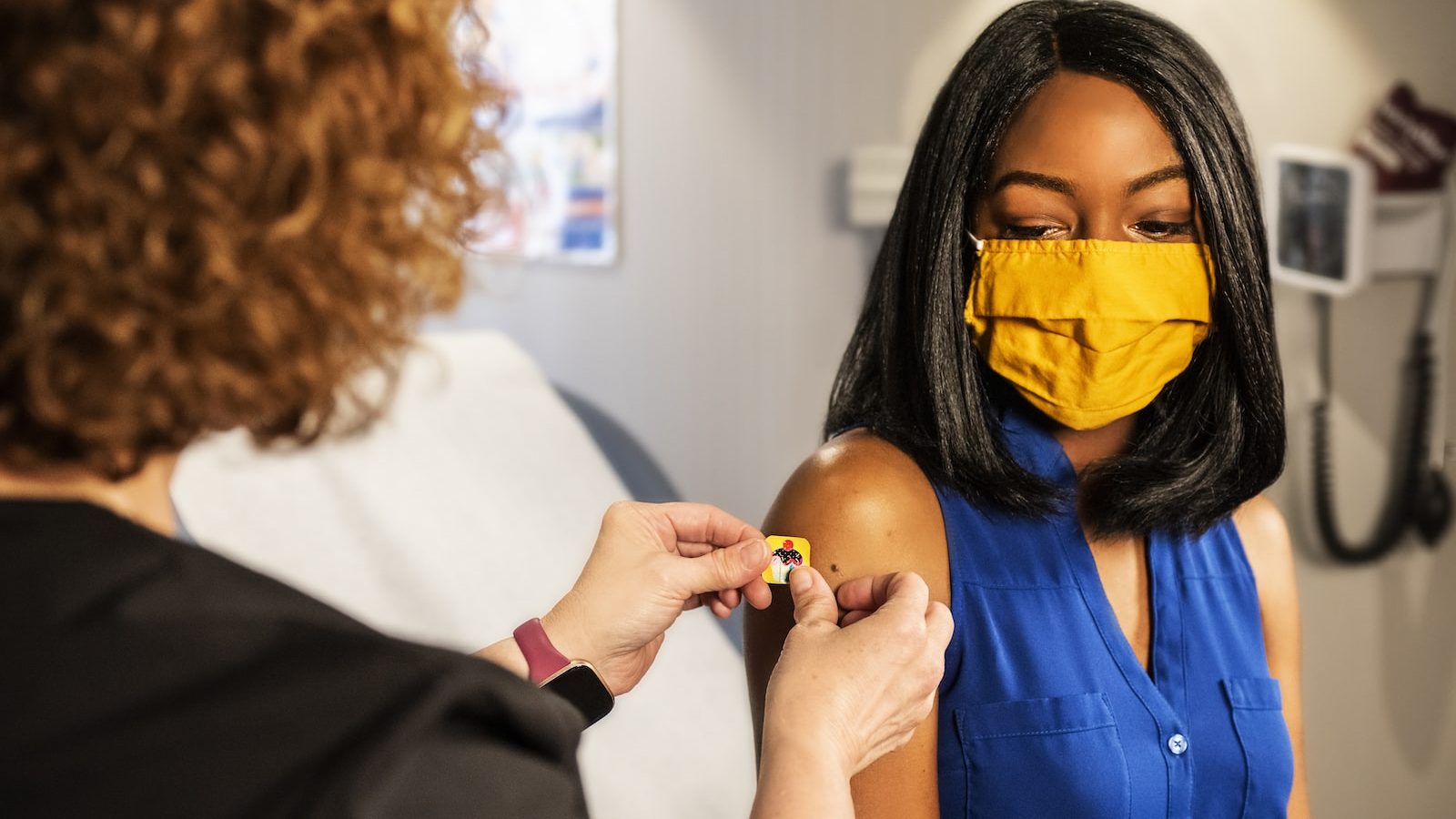
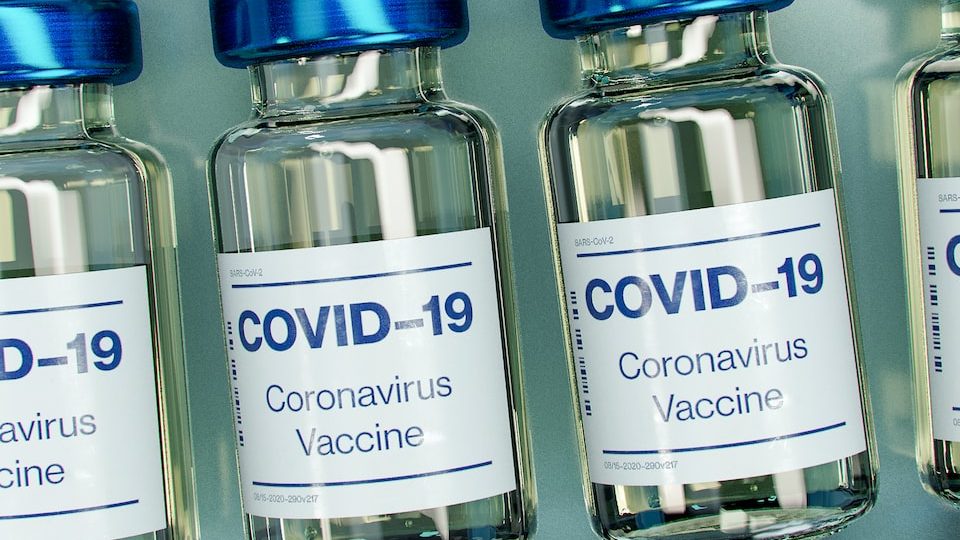
In this review article, examples of hesitancy regarding the measles–mumps–rubella (MMR), human papillomavirus (HPV), and COVID-19 vaccines are used to explore the multifaceted issues that fuel vaccine hesitancy. Each of these examples is part of a larger, more complex story.
Publications
The Vaccine Confidence Project team regularly publishes articles, reviews and other academic writing in leading journals. Our publications analyse global trends in vaccine confidence and provide deep insight into the spatio-temporal dynamics of vaccine confidence across the world.
Japan has one of the highest vaccine hesitancy rates in the world. However, few studies have assessed how mobile messenger apps affect COVID-19 vaccine hesitancy. This study used a cross-sectional survey to assess the impact of text messages from Corowa-kun – a free chatbot – on COVID-19 vaccine hesitancy amongst users.
This study aimed to assess changes in trends of parental attitudes toward routine childhood vaccines and COVID-19 vaccinations across different time periods in China.
COVID-19 vaccination policies have prompted much debate, yet there has been limited evaluation of their potential unintended consequences. Here, we outline a comprehensive set of hypotheses for why these policies may ultimately be counterproductive and harmful.
This study critically examined the challenges for advising evidence-informed decision-making (EIDM) in pandemic contexts, particularly around non-pharmaceutical control measures, from the perspective of experts advising policy-makers during COVID-19 globally.
This literature review (n = 89) summarises evidence on HCPs’ perceptions of the risks and benefits of vaccination, trust, and perceptions of mandatory vaccination in Europe.
In this perspective, we argue that the epidemiological and social crises brought about by COVID-19 have magnified widely held social anxieties and trust issues that, in the unique circumstances of this global pandemic, have exacerbated scepticism toward vaccines.
In this journal article, we draw findings and insights from the VCP’s decade-long monitoring of media and social media and its related research efforts.
This article argues that increased efforts should be placed on developing mechanisms for sharing lessons learnt about strategies that have successfully increased confidence in vaccination in Europe and globally.
The aim of this study was to identify the methods most commonly used for monitoring vaccination-related topics on different social media platforms.
The aim of this qualitative study was to provide an in-depth exploration and comparison of French mothers and adolescent girls’ perceptions of the risks and benefits of HPV vaccination.
We used a mixed-methods approach—involving an online cross-sectional survey and semi-structured interviews–to gain insight into COVID-19 vaccination beliefs, attitudes, and behaviours amongst H&SCWs in the UK.