Related content
Media and commentary
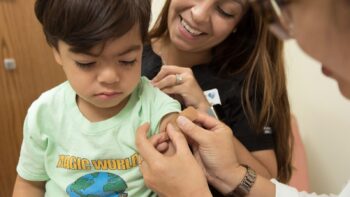
People all over the world lost confidence in the importance of routine childhood vaccines against killer diseases like measles and polio during the COVID-19 pandemic, according to a new report from UNICEF.
Projects
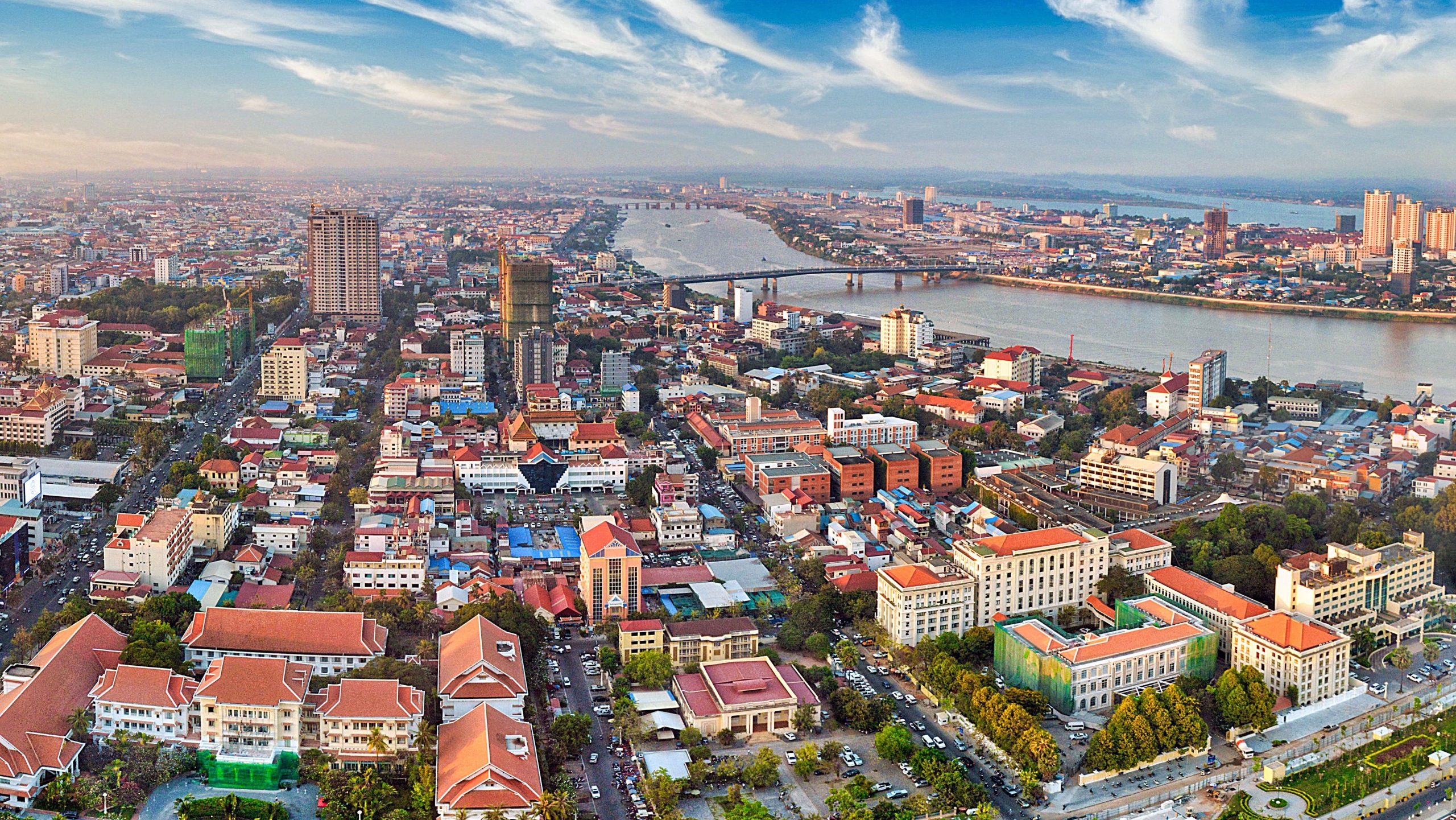
To identify knowledge gaps, beliefs and attitudes in relation to the COVID-19 pandemic and COVID-19 vaccine acceptance among adults in the Asia-Pacific region, the Vaccine Confidence Project conducted two waves of quantitative research in 2021 and 2022.

Reports
This report outlines the methods and the findings of the VCP’s research, which was conducted to support The Learning Network for Countries in Transition countries in assessing and addressing their vaccine hesitancy issues and in building vaccine confidence capabilities.
Reports
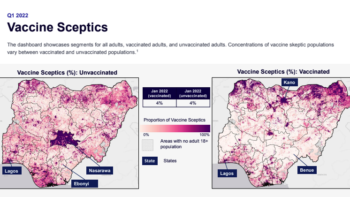
Johnson & Johnson Global Public Health has worked with Fraym to create a series of geospatial mapping reports aimed at improving hyper-local understanding of vaccine hesitancy across sub-saharan Africa.
Publications
Our third study of COVID-19 vaccine hesitancy among 23,000 respondents in 23 countries, surveyed from 29 June to 10 July 2022 found willingness to accept vaccination at 79.1%, up 5.2% from June 2021.
Projects
LNCT is a platform dedicated to supporting countries as they transition away from Gavi support to full domestic financing of their national immunisation programs.