This report introduces the Vaccine Confidence Index™ (VCI) global mapping project, including results from the first five countries surveyed: Nigeria, Pakistan, India, Georgia, and the UK. As the VCI dataset expands.
Related content

country
Vaccine confidence in Nigeria is high compared to other countries. The latest data we have for Nigeria is from surveys conducted in 2022 which showed that 81% of people feel that vaccines are safe and 82% think they are effective. 81% of those surveyed said they believe it’s important for children to have vaccines and 78% feel that vaccines are compatible with their religious beliefs.
Projects
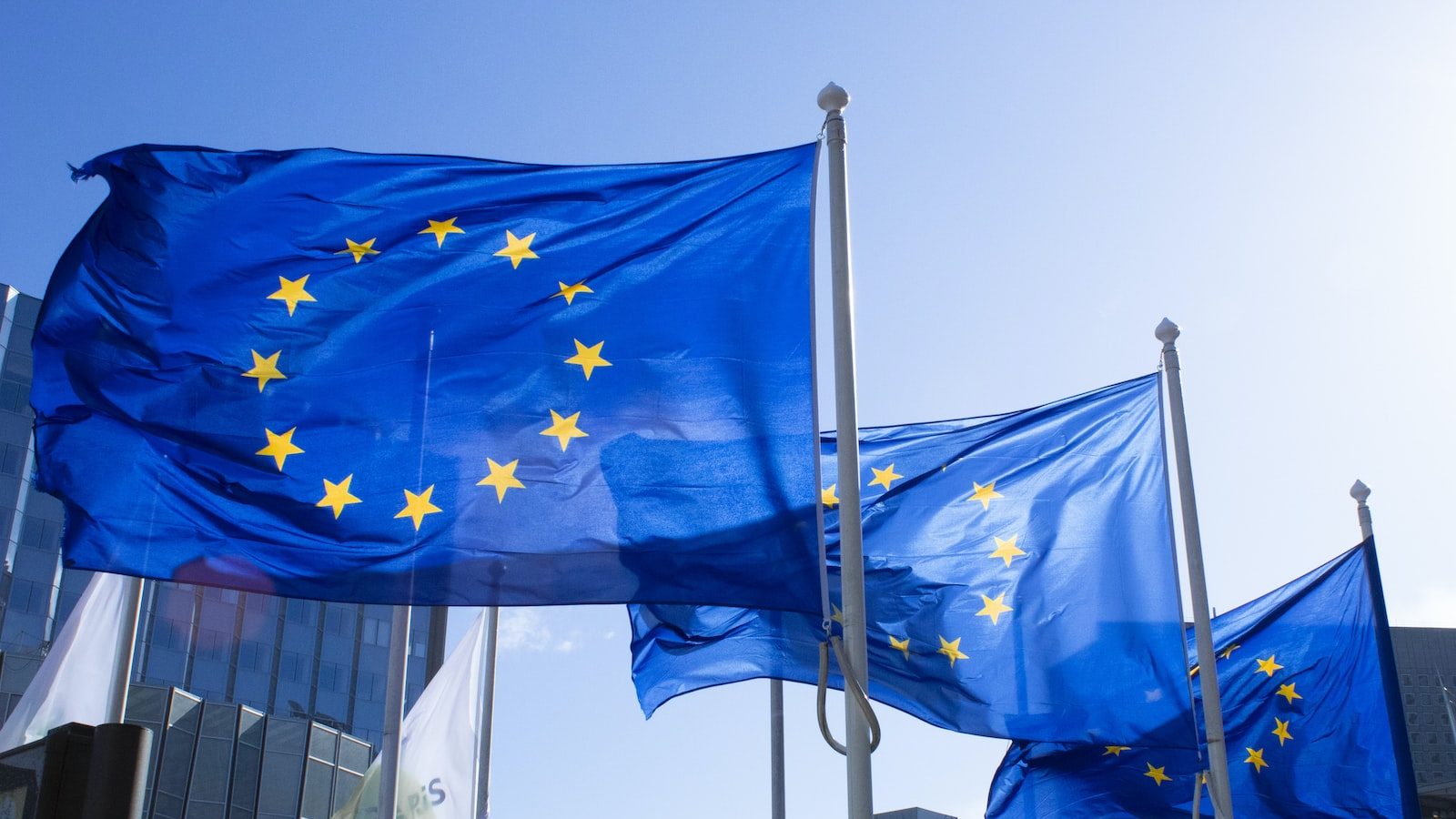
In 2018, the European Commission engaged the Vaccine Confidence Project to create the first “State of Vaccine Confidence in the EU” report. Since then, the VCP has conducted bi-annual research to map and monitor public attitudes to vaccines across the region and examine trends over time.

Reports
The State of the World’s Children 2023 was developed in collaboration with VCP and using Vaccine Confidence Index data. It reveals that public perception of the importance of vaccines for children declined during the COVID-19 pandemic in 52 out of 55 countries studied.

Projects
Overview The Vaccine Confidence Project at the London School of Hygiene & Tropical Medicine, in partnership with Premise, developed ASSURE – Assessing Signals and Supporting Resilience.

Projects
To identify knowledge gaps, beliefs and attitudes in relation to the COVID-19 pandemic and COVID-19 vaccine acceptance among adults in the Asia-Pacific region, the Vaccine Confidence Project conducted two waves of quantitative research in 2021 and 2022.

Publications
Few published studies permit global comparisons of vaccination sentiments and behaviours against a common metric.